5th semester
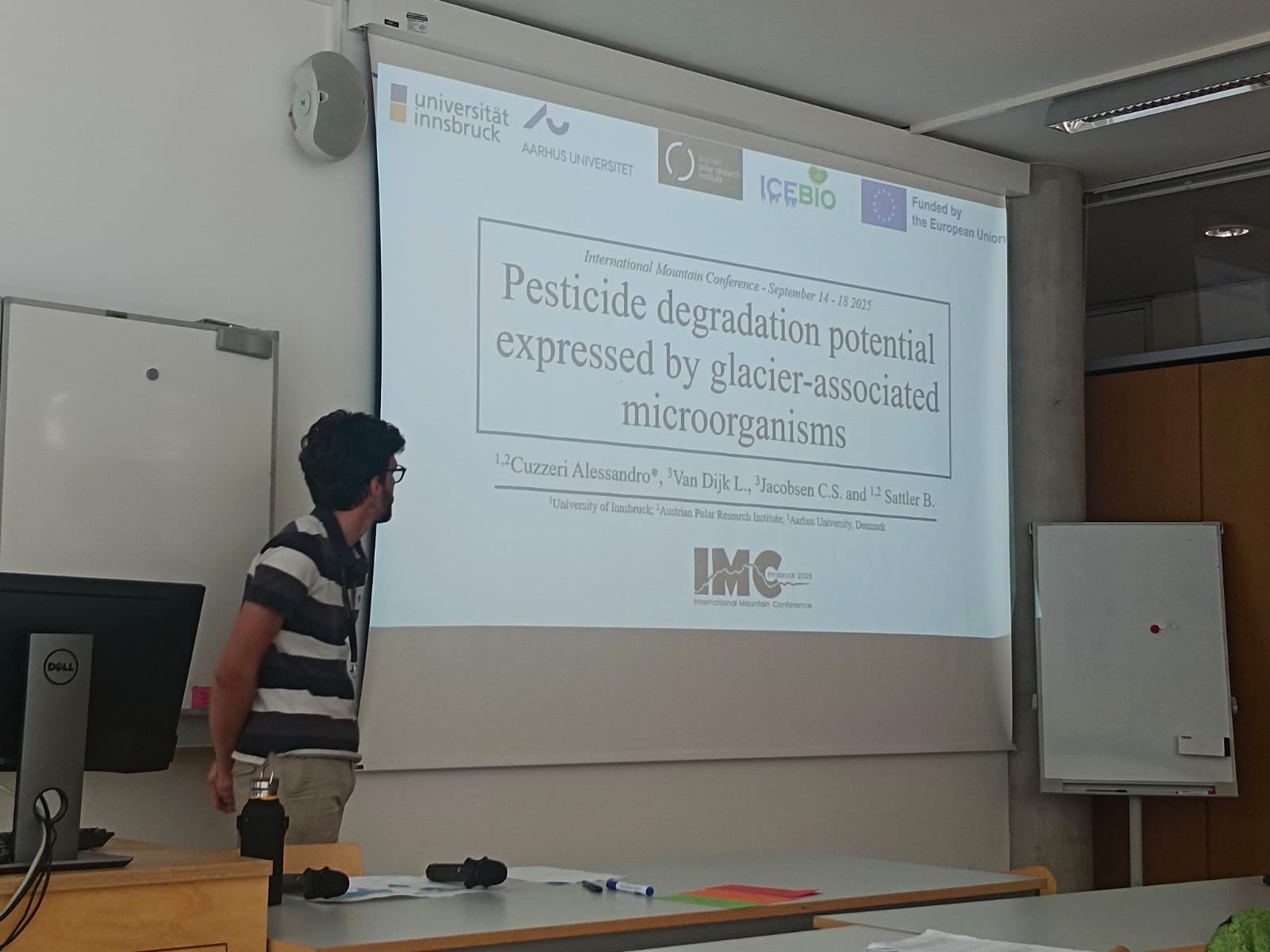
DC1 ALESSANDRO CUZZERI APRIL 25 - September 25
Month 25 (April 25) : Submitted draft of deliverable “An estimation of the microbial biomass and activity originating from the atmosphere and deposited on glacier surfaces”. Prepared submissions for EGU and IMC conferences. Contributed substantially with expertise on bioinformatics to projects referring to biodiversity in snow and ice of alpine ecosystems.
May 2025: EGU attendance with pico presentation. Co-author for talk: Birgit Sattler, Klemens Weisleitner, Patrick Schwenter, and Alessandro Cuzzeri: „Rethinking Glacier Insulation in the Alpine Space: Microplastic Concerns and Sustainable Materials” First part of the DC secondment (Roskilde, Denmark): DNA/RNA extraction of samples from Antarctica 2024 expedition.
June 2025: Completion of lab work in Denmark. Termination and first processing of samples from a second joint project with DC4/Jacobsen CS. Contribution with expertise on bioinformatics for alpine study for microplastics in snow and ice for the Chamber of Commerce.
July 2025 : Sequencing of samples from Antarctica and joint project. Initial data parsing for pesticide mineralization curves analysis. Drafting of own paper (Intra-seasonal trends of cryoconite bacterial communities on an Alpine Glacier).
Month 29 (August 25): Drafting of own paper (Intra-seasonal trends of cryoconite bacterial communities on an Alpine Glacier).
Month 30 (September 2025) International Mountain conference attendance. Oral presentation of pesticides mineralization experiment during a focus session on pollutants in the alpine space. Co-author for talk: Birgit Sattler, Patrick Schwenter, Alessandro Cuzzeri, Monika Summerer, Klemens Weisleitner, Tabea Grube: Slowing Glacial Melt with Sustainable Cellulose Textiles Preparation of the upcoming second part of the DC planned secondment at IGE Grenoble for statistical analyses of Antarctica data.
DC6 KLARA KOHLER May 25 - octcober 25
Month 25: In May, I worked on two different experiments in the lab: I continued working on the timeseries of incubated
sediment experiment, completing the fifth time point. This involved measuring dissolved nutrients in pore water and
supernatant, as well as preparing the sediments for later nutrient extractions. The second experiment involved
crushing different types of sediment and measuring the nutrients released from the sediment before and after
crushing. Also in May, several IceBio students visited our department, where I helped them get started in the lab.
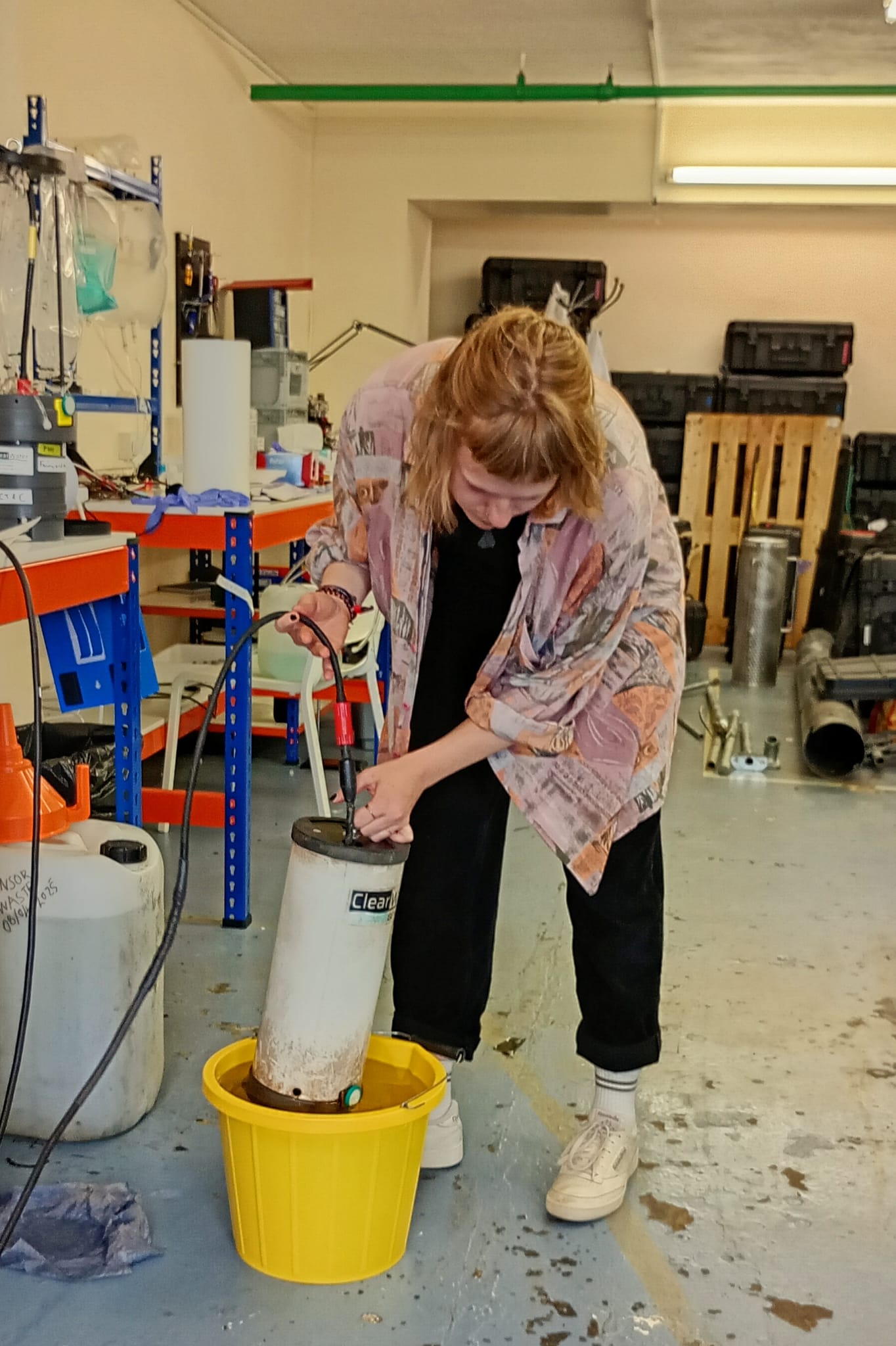
In June, I continued the lab work I had started in May. I also spent some time at ClearWater Sensors in Southampton, UK. Together with Marco Ajmar (DC7), we learned how the ClearWater nutrient sensors are built, how they are deployed, and how sensor maintenance and quality control work. I have also already begun preparations for my next stay at the GFZ in Potsdam to continue the mineralogical work on my sediment samples.
In July, I completed the time series of incubated sediments that I had started in January 2025. As in May, this involved measuring dissolved nutrients and preparing the sediments for nutrient extraction. I also helped Silje Waaler (DC8) preparing her next experiment on nutrient release from glacial flour, which she conducted as part of her secondment in our lab.
In August, I conducted the nutrient extractions on sediment samples from the time series and from the crushing experiment to measure the release of Si, N, P and Fe from the sediment. I also measured major anions at the IC for samples from my completed experiments (incubated sediments, time series and crushing experiments). In August I also visited the GFZ in Potsdam to learn how to perform grain size analysis and specific surface area analysis on my samples.
In September, I began my final fieldwork on the research vessel Polarstern in north-eastern Greenland. Due to the already strong coverage of fast ice, we were unable to go into the fjords and did not reach the mouth of the glaciers to carry out the planned work with the ClearWater sensors. Sampling during the fieldwork was therefore limited to water samples, which were tested for dissolved nutrients, and sediment samples, which were stored for later nutrient extraction analysis back on land.
Month 30: In October, I was still on fieldwork. In addition to my work on the ship, I completed the first draft of my first paper and sent it to my supervisors. I also began to plot the results of my lab work, which I completed in August.
DC7 MARCO AJMAR July 25 - December 25
Month 24 (July 2025): ICP-OES analysis of Iceland 2025 April samples. Prepared for upcoming fieldwork.
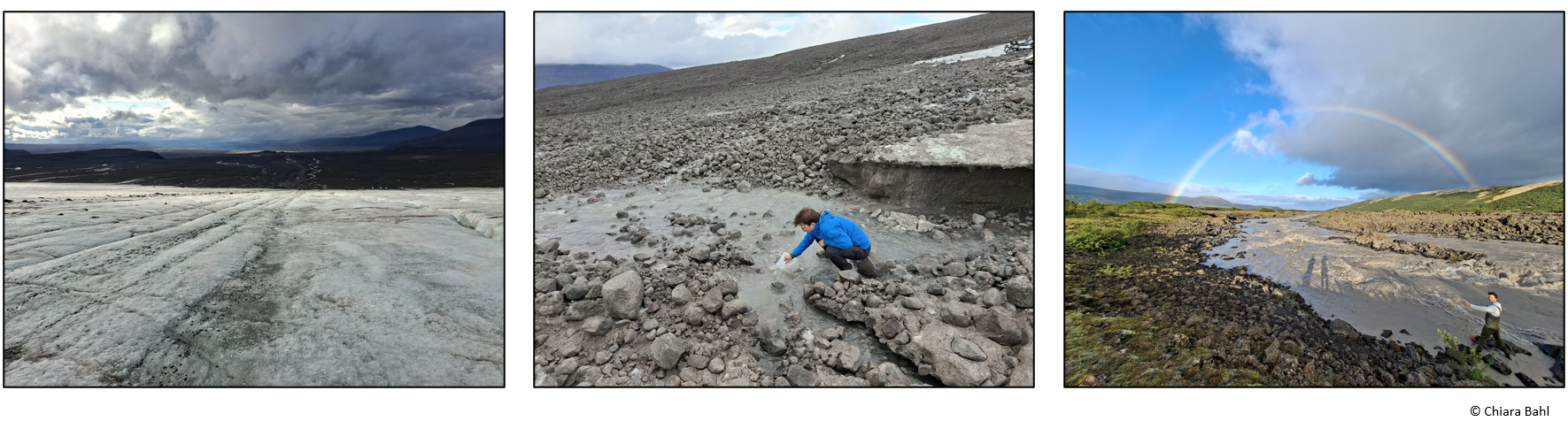
Month 25 (August 2025): Fieldwork in Iceland (26/07 – 09/08). Supervised a Master’s student in sampling and sensors deployment. Wrote two deliverables (one about nutrient sensors in glacial environments and the other on nutrient concentrations in glacial meltwaters).
Month 26 (September 2025): Analysed the data collected in August with the nutrient sensors. Organized samples and wrote the method section of my 1st paper.
Month 27 (October 2025): Prepared for the upcoming fieldwork in Iceland, attended the PhD days at the GFZ Potsdam and visited collaborators at the University of Iceland and the Icelandic Met Office.
Month 28 (November 2025): Fieldwork in Iceland (25/10 – 09/11), wrote the 3rd deliverable (about ammonium in situ sensors), attended the GFZ science retreat on writing (2days course).
Month 29 (December 2025) Analysed all Iceland 2025 samples for dissolved macro nutrient species (N, P, Si) and DOC. Supervised a Master’s student for lab analysis and writing. Prepared the PAM 2026 presentation. Attended a time management two days course at the GFZ.
DC4 LARS VAN DIJK August 25 - january 26
Month 25 (August 2025) I established a catalogue of the microbial diversity of the subglacial microbiome as part of Deliverable D2.4.
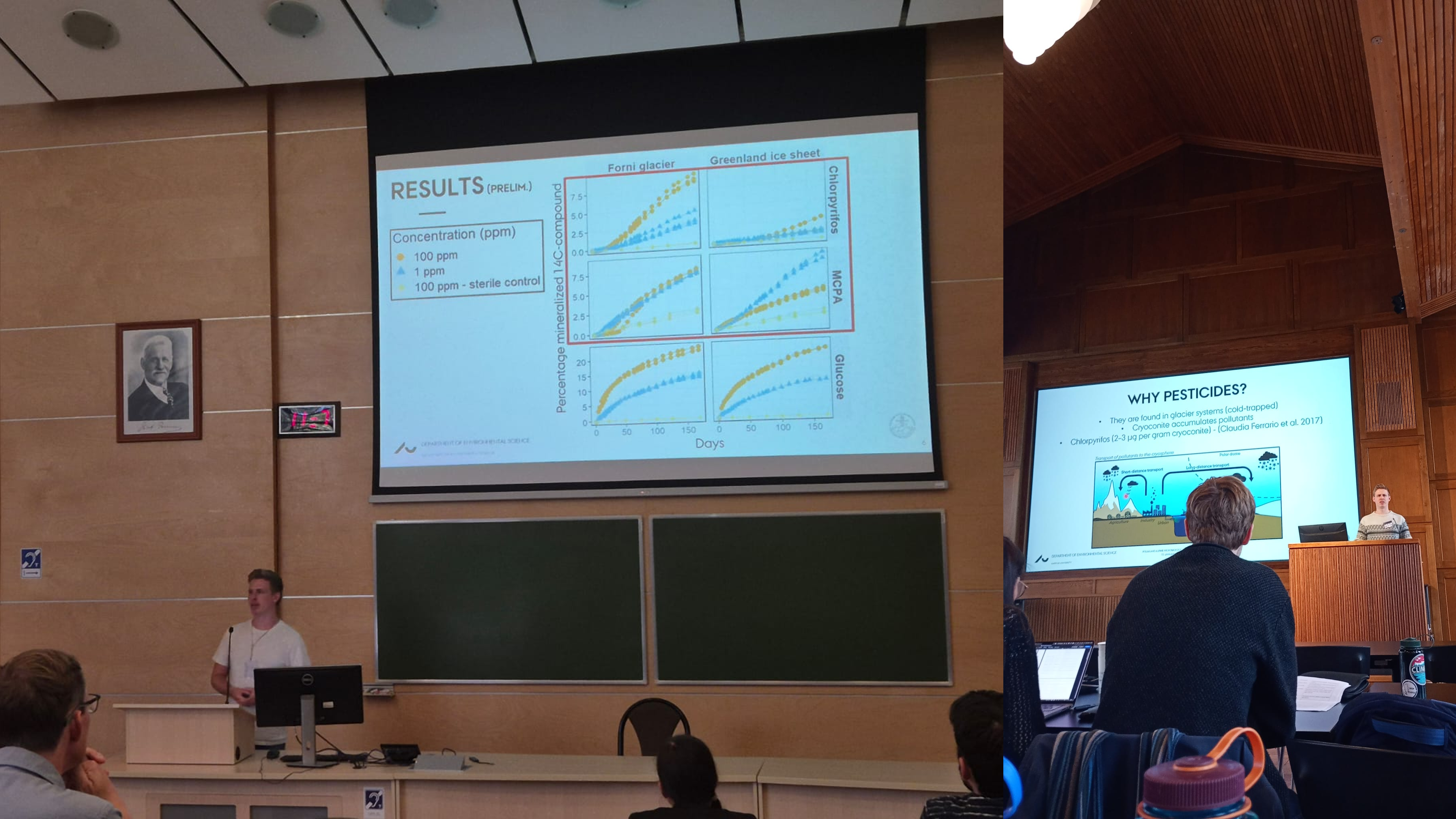
Month 26 September 2025: At the Cryospheric Ecosystems Conference in Poznań, Poland, I delivered an oral presentation, joined useful discussions, and built meaningful connections. I also performed metagenomic sequencing on our pesticide-microcosm samples to complement our total RNA dataset, and plated cryoconite material from these long-term incubations to begin isolating enriched pesticide degraders.
October 2025: I co-organized a workshop on good practices and ethics for using AI in science, focusing on scientific writing and planning. From 16 October to 14 November, I started my secondment with Catherine Larose’s group at the Institut des Géosciences de l’Environnement (IGE) in Grenoble, where I began analyzing the rRNA fraction of our total RNA sequencing data and mapped out workflows for upcoming mRNA, rRNA, and metagenomic analyses.
November 2025: During the secondment at IGE in Grenoble, I continued analyzing the sequencing data and discussed the next steps for the project. I helped initiate and organize the ICEBIO writing camp, to be held the week before the Polar and Alpine Microbiology Conference in Copenhagen. Additionally, this month, candidate pesticide degraders were further purified on agar plates.
December 2025: I continued analyzing total RNA sequencing data obtained from the long-term pesticide incubation microcosm experiment.
Month 30 (January 2026): Due to weather-related disruptions, I attended the ICEBIO writing camp remotely and then participated in the Polar and Alpine Microbiology Conference in Copenhagen on-site, where I gave an oral presentation on the data acquired from the microcosm experiment. Alongside this, I maintained my cyanobacterial and pesticide-degrading cultures and transferred isolates to liquid media for continued growth and eventually Sanger sequencing for identification with the aim to do genome sequencing on unique species.
DC3 ANNIKA MORISCHE August 25 - JAN 26
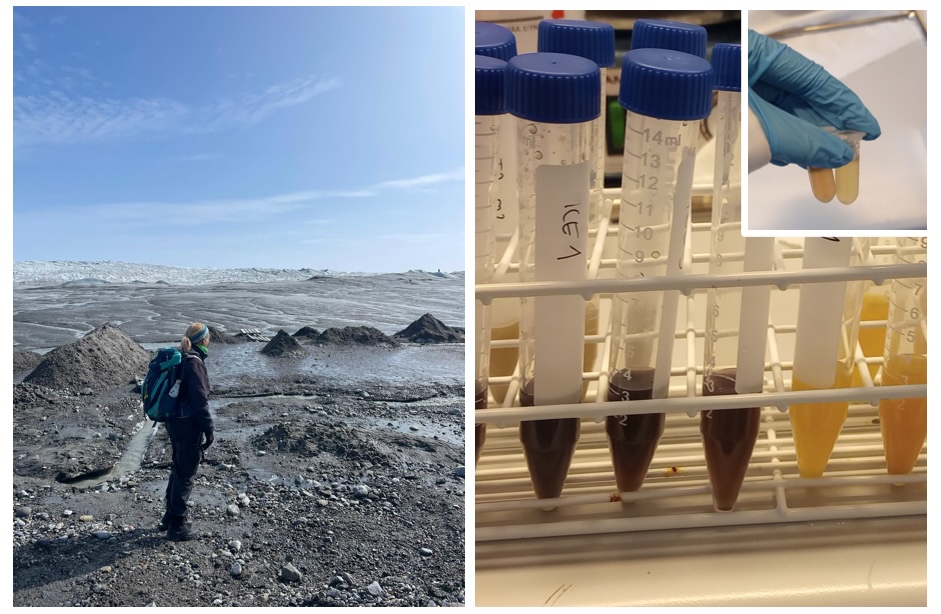
Month 25 (August 25) started after fieldwork in Kangerlussuaq, from which I brought back 13C-incubated surface ice samples. With these samples I hope to enhance my understanding of how ice algae metabolism works and what metabolites they produce. After safely returning the samples to Denmark, I catalogued and documented the material to prepare it for further MS analyses. At the same time, I was happy to learn that the first batch of similar samples collected in the previous year, which I had extracted and sent frozen to a collaboration partner, arrived successfully and were ready to be analyzed. As a result, the first month involved intensive reading and preparation for starting and advancing my second paper looking into the metabolic range of ice surface autotrophs.
In Month 26, I streamlined my analysis pipeline, spanning raw mass spectrometry data processing through to molecular network analysis. This allowed the integration of molecular information into the statistical analyses of Paper 1, which focuses on the metabolic stress response of surface ice communities to abiotic stress.
Month 27was strongly influenced by research exchange with mass spectrometry experts, leading to new ideas for sample preparation for Paper 3. Based on these discussions, a water-leaching strategy was agreed upon to characterize intracellular metabolites and particulate organic matter from Arctic Ocean winter samples.
Month 28: This led into Month 4, during which the first test samples were selected and prepared. In addition, planning intensified regarding participation organization in and of the Polar and Alpine Microbiology Conference in Copenhagen. Links between this work and my activities within APECs were forged, including the organization of a networking event during the conference.
Month 29: Paper 2 made strong progress. Initial data analysis showed that 13C incorporation was reproducible and exceeded what could be demonstrated using test samples alone. Incorporation of 13C into ice algal pigments could be confirmed, forming the basis for developing a more detailed manuscript focusing on metabolic activity and carbon incorporation in surface ice algae.
Month 30 (January 2026) was dedicated entirely to Paper 1, bringing together all datasets and conducting in-depth statistical analyses to develop an advanced manuscript draft. During this month, the Polar and Alpine Microbiology Conference also took place, where I presented this work and received extensive and valuable feedback, which helped refine the interpretation and strengthen the overall response paper draft.
DC5 ANIRBAN MAJUMDER JULY 25 - Dec 25
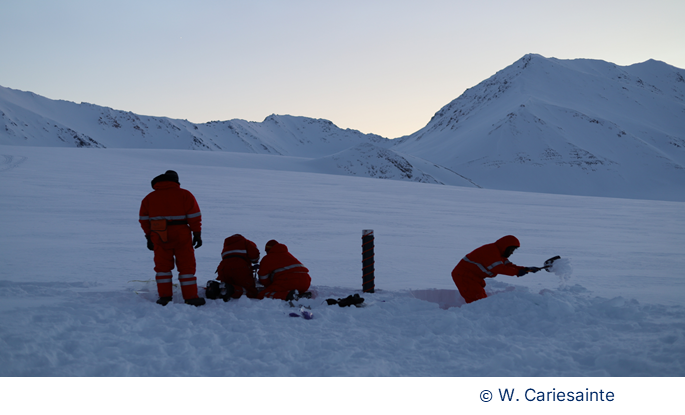
Month 25 (July 2025): Most of the time, I was in the lab extracting DNA and RNA from seven fieldwork samples (Svalbard, Greenland, Iceland and Finse). I was preparing for the next slot of metabolite extraction. I was also writing the methods of my second paper.
Month 26 (Aug 2025): This month, I was in the lab performing metabolite extraction from five fieldwork samples (Svalbard, Greenland, Iceland and Finse). I also measured the samples in the mass spectrometry with our collaborator and discussed the further plan for the metabolomics data analysis.
Month 27 (Sept 2025): I was mainly focusing on data analysis and learning the new bioinformatics software required for the analysis of metabolomics and amplicon sequencing.
Month 28 (Oct 2025): I was working on the amplicon sequencing and metabolomics analyses to shape the preliminary story for my future research articles on Svalbard and Greenland microbiomes and metabolites.
Month 29 (Nov 2025): I was in secondment to perform more detailed bioinformatics data analysis (sequencing and mass spectrometry). I also worked on the methodology for my second paper. I submitted an abstract for the Polar and Alpine Microbiology conference (PAM 2026). I also submitted two Icebio deliverables- 1. Deliverable WP1, D1.2, D4 - A catalogue of metabolites in glacier surface habitats (M24, GFZ). 2. D19, D2.6 A catalogue of metabolites in subglacial habitats (M37, GFZ)
Month 30 (Dec 2025): I continued my secondment with bioinformatics data analysis from sequencing and metabolomics. I prepared a first draft of my presentation for the PAM conference to be held in January in Copenhagen.
DC9 KARA SAMPSELL: september 2025 - February 2026
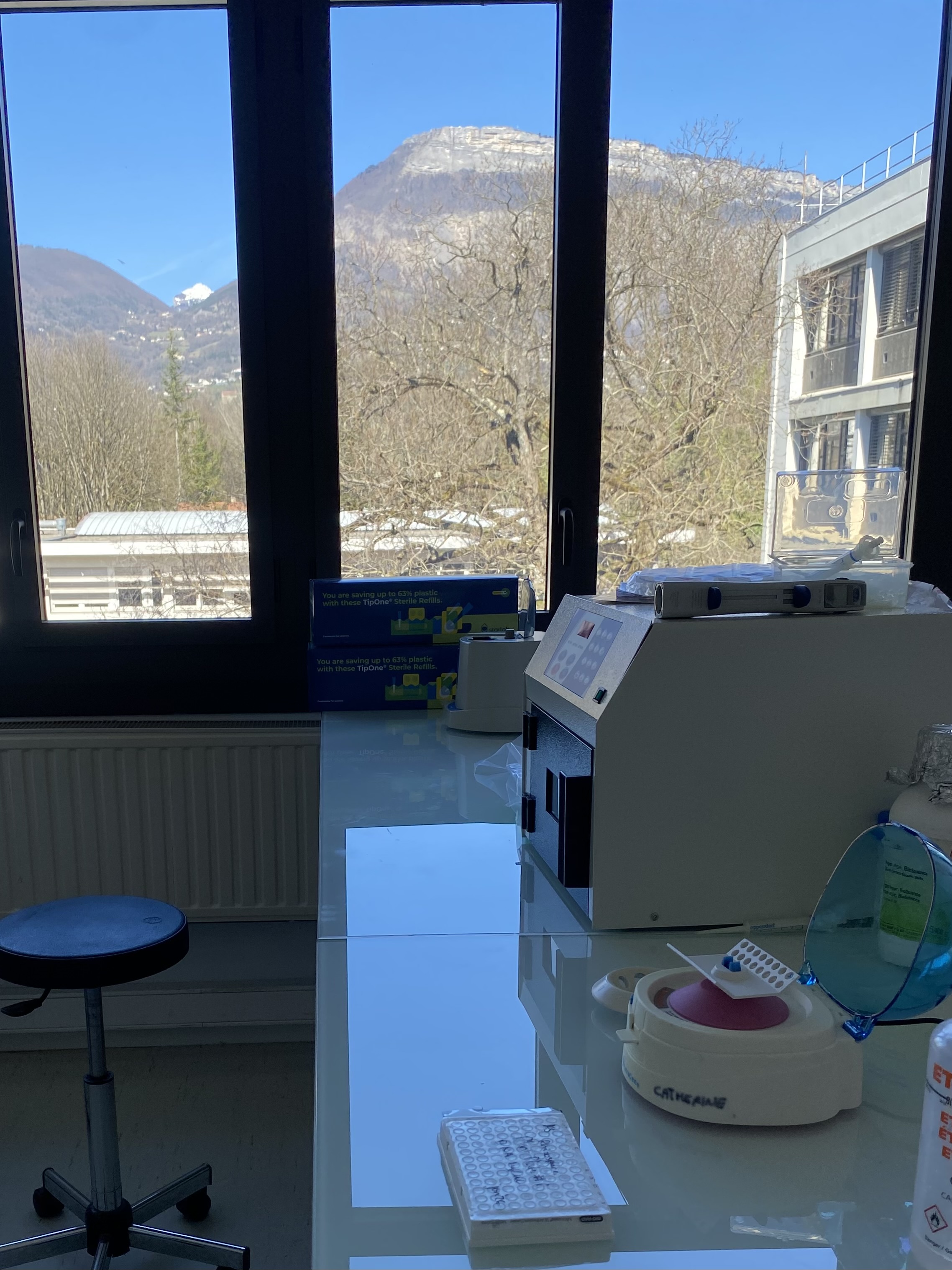
Month 25 (September 2025: I finished my secondment stay at UiT (Tromso) by attending a field school hosted by IC3 at UiT called “Biogeochemical cycling from ice to ocean” . I returned to Grenoble with DNA extracts from various glacial rock flour sediments.
October involved preparing samples from my last experiment for enzyme activity analysis with a collaborating lab and completion of those analyses. I finished extracting DNA from soil samples from the experiment. I quantified DNA extracts from those soils and from my time at UiT. I worked on analysis and writing for the microcosm experiment.
In November, I processed plant leaves and soybeans from my last experiment for nutrient content analyses. I began processing plant root samples to collect rhizoplane soil off them and extract DNA from that soil. I submitted an abstract for the PAM conference.
December was marked by the completion of rhizoplane DNA extractions and quantifications. I worked on data analysis for the PAM conference presentation.
Month 29 (January 2026): The new year began with preparation of an oral presentation at PAM. Ahead of the conference, I attended the ICEBIO writing retreat where I worked on two paper manuscripts. I then attended PAM. Upon returning to Grenoble, I started the 16S amplicon sequencing library preparation for rhizosphere and rhizoplane soils from my last experiment.
Month 30 (February 2026): I completed the library preparation for shotgun metagenomics for rhizosphere and rhizoplane samples. I worked on troubleshooting rhizosphere 16S amplicon sequencing library preparation. Time outside the lab was spent on geochemical data treatment/analysis and manuscript edits. I submitted an abstract for ISME 2026.
DC2 HARPREET SINGH: September 2025 - February 2026
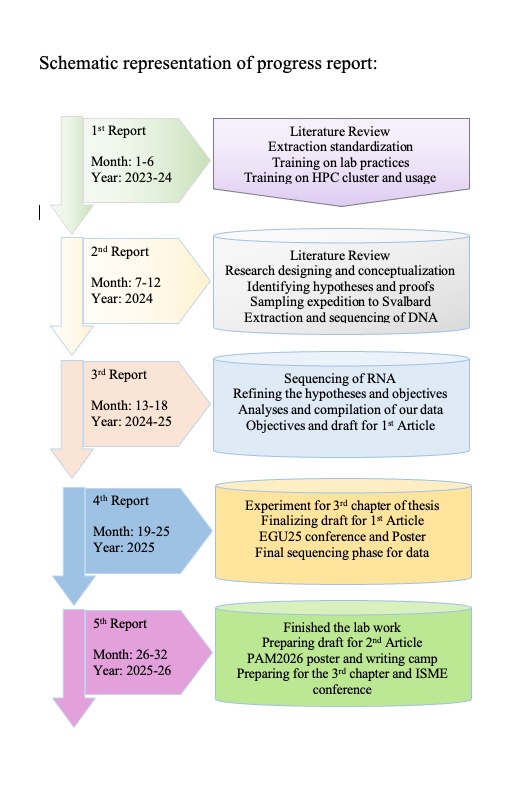
Month 25 (September 2025): We proceeded with the sequencing of our samples from the 2nd and 3rd chapter which comprises of winter vs spring comparison and the effect of rain on snow microbes, respectively. We are progressing with the 1st paper, which needs some minor changes and edits for the respective journal. We have finished all of our sequencing lab work and will compile the data for the publication of our findings.
October 2025: I continued with my secondment in Aarhus University, Roskilde. I performed chemical analyses on the snow melt to answer our questions associated with the 3rd chapter, which specifically looks into nutrient changes over time with simulated rain and warming events.
November 2025: We planned for a writing camp for the ICEBIO DC candidates and managed to gather for a week in Copenhagen. Given the busy schedule, we managed to spend the week brainstorming and sharing ideas about our work, the difficulties and hurdles we faced, which improved the connectivity among the DCs and developed our scientific understanding about the project. Following the writing retreat, we attended the ICEBIO network meeting and the PAM2026 conference in Copenhagen where I presented my poster on seasonal variation of microbial activity across different habitats. I extended my stay to finish the pending chemical analyses in Aarhus University, Roskilde.
December 2025: Now we are proceeding with the analyses of our chemical and biological data for the 2nd and 3rd chapter. Along with the literature review, we have weekly meetings and discussions with my supervisors on the progress of my work.
January 2026: The rest of the time will now be dedicated for writing the article and thesis. As we are almost at the end of my PhD. We are focussing more on regular updates and exchanges to finish the PhD on time. We continued with the analyses and compilation of our findings.
Month 30 (February 2026): We are almost finished with the analyses of the 2nd chapter and began compiling the figures to write the 2nd article. We are also planning to submit our 1st Article to the journal. We are also compiling the chemical and biological data for the 3rd chapter.
DC12 LEA FRANCOMME: november 2025 - april 2026
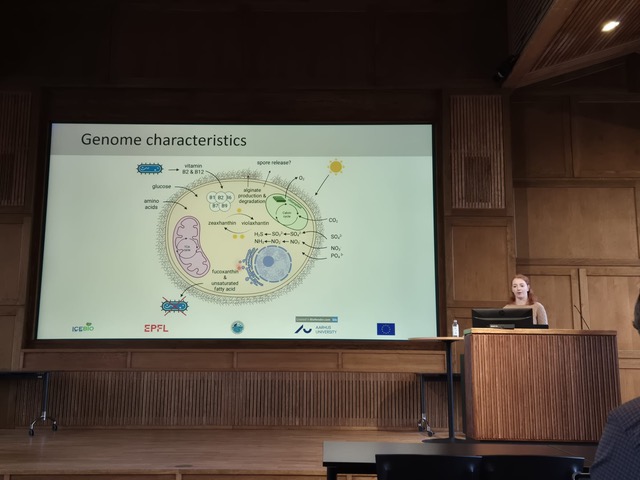
Month 25 (November 2025): I completed the preprocessing of all three datasets I obtained over the last two years: Hydrurus foetidus associated microbial community 16S data, Hydrurus foetidus transcriptomics data and Hydrurus foetidus whole genome sequencing data.
In December, I achieved 80% of Hydrurus foetidus genome assembly, filtering, annotation, and comparison with the genome published in 2019 by Bråte et al.. I also started to look at metabolic pathways of the alga to obtain an overview of its potential.
Month 21 (January 2026): I participated in the writing retreat organised by ICEBIO students in the Danish countryside. During that time, I finished the preparation of my talk for the PAM 2026 conference and initiated the writing of the methods for both my projects. Writing these sections helped me to reflect on the work achieved so far and what there is left to do as well as to find a storyline for both articles. At the Polar and Alpine Microbiology conference (PAM 2026), I chaired a session and gave a talk about the genome and ecology of Hydrurus foetidus.
In February and March, I pursued the analysis of Hydrurus foetidus genome and initiated the analysis of two other genomes publicly available in order to be able to compare them with the one I obtained.
March 2026, I attended the Cryospheric Ecosystem Conference in Poznan, Poland during which I gave a talk about the microbial community associated to Hydrurus foetidus. Global data preprocessing about the microbial community associated with Hydrurus foetidus was initiated as well as the preprocessing of the transcriptomic data produced earlier this year during my secondment at Aarhus University.
DC10 Nasim Kashiri: november 2025 - april 2026
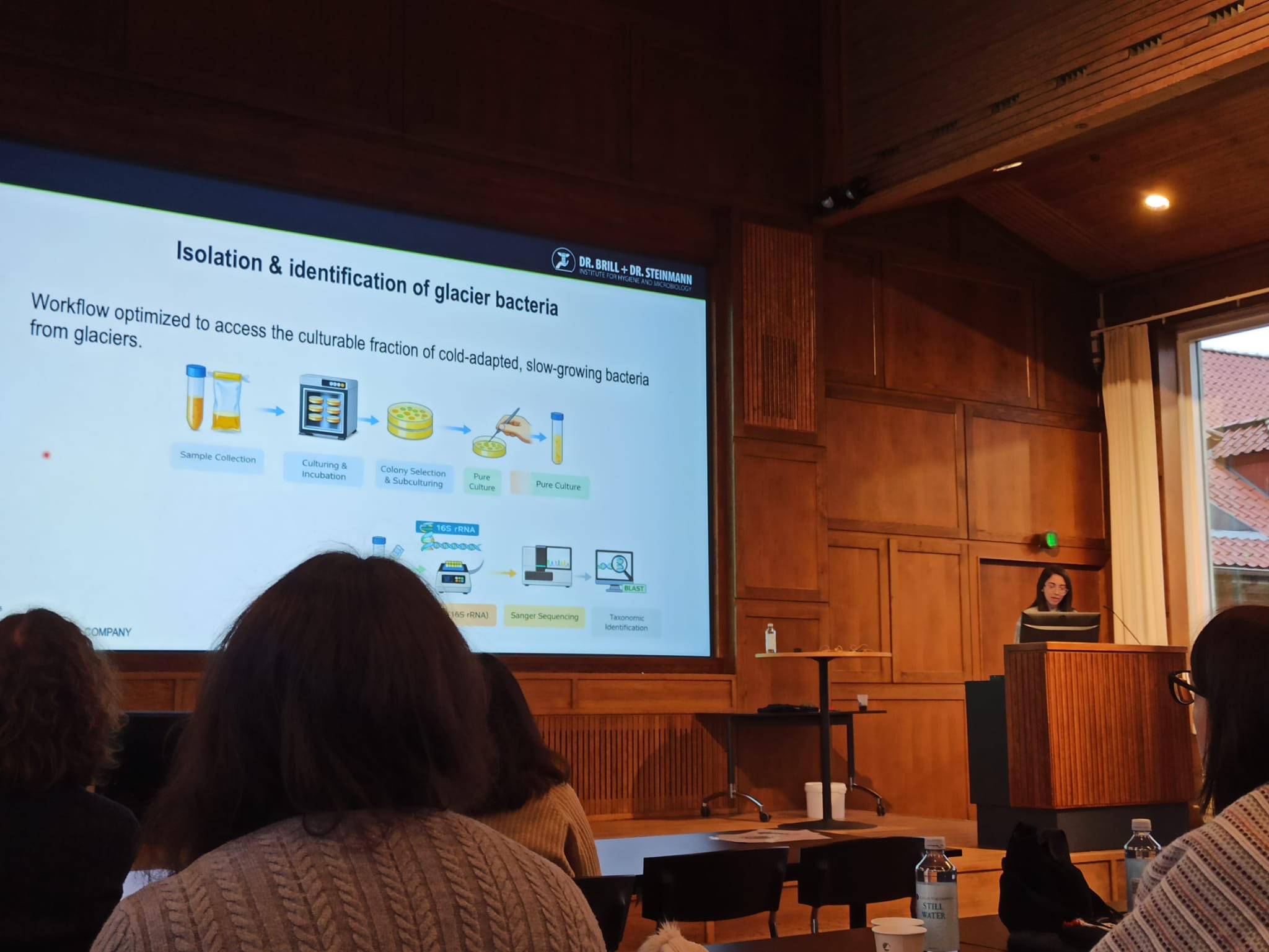
Month 25: In November, I started antibiotic susceptibility testing on all isolates from Stubai samples. During this month, I also spent time with the Nuremberg team as part of my secondment, where I did further analyses related to the first manuscript. After completing this work, I participated in an online study week at the university. I then attended the CAHMV conference in Hamburg, where I presented the results from my first manuscript.
December: I continued laboratory work until mid-month, after which all experimental work was completed. I then finalized revisions to the first manuscript by addressing all reviewer comments and feedback, and the manuscript was subsequently submitted. Following this, I took some holiday.
In January, I began organizing and categorizing data for the second manuscript, while also preparing for my presentation at the PAM conference. I attended the conference in Copenhagen, where I spent one week. After returning, I completed and submitted my second EU deliverable.
During February and March, I focused on analyzing data for the second manuscript and drafting it. I prepared the first draft, shared it with my supervisors, and then revised it based on their feedback.
Month 30: In April, I began preparing for the final ICEBIO network event, including participation in planned mock job interviews. In parallel, I continued working on my second manuscript. I attended the final network event in Potsdam and, upon returning, participated in my last university study week.
DC8 Silje Waaler January - June 2026
Month 25: I joined the ICEBIO writing retreat that was organized primarily by the DC’s from AU in January. During these days I worked on the introduction and methods for my first paper. The following week I finish my qPCR at AU and attended the PAM conference (hosted by ICEBIO) for one day. I also received data from the analysis conducted by Prof. Katharine Hendry.
In February I continued datahandling and processing of the data from the dissolution experiment
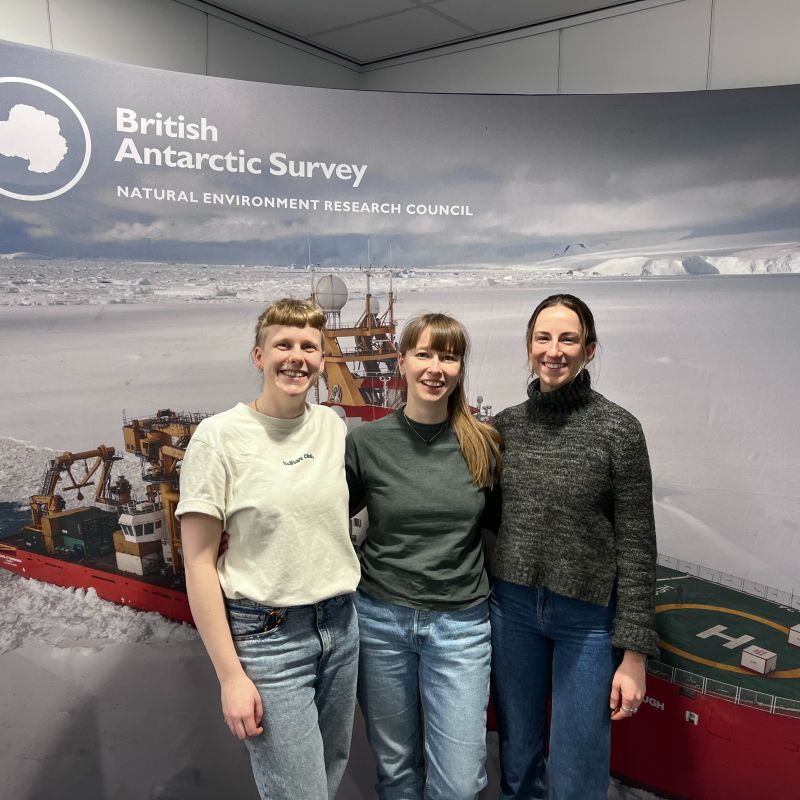
In March I attended the Glacial Flour Workshop hosted by Prof. Kate Hendry at BAS, Cambridge, where I also gave a talk on my current findings related to DSi release from glacial flour. Moreover, I started my work in her lab conducting sequential extractions on glacial flour
In April I continued my work in the lab at BAS
In May I started compiling my current knowledge and continued with data processing and laying the foundation for the story of my first paper.
Month 30: In June I finalized the conceptual idea of the first paper and started fully writing. Moreover, I spend time on cleaning up my qPCR data and amplicon sequences for my third paper.